
Hemp
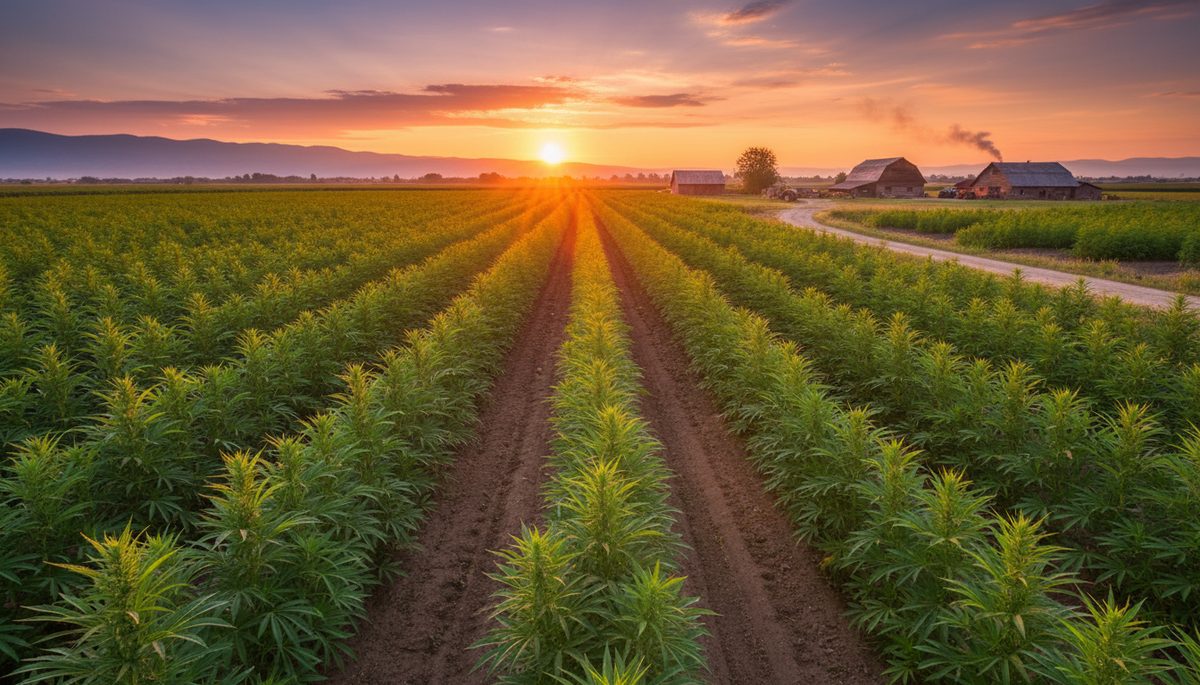
Hemp is the legal designation for Cannabis sativa L. containing no more than 0.3% delta-9 THC on a dry-weight basis, as defined at 7 U.S.C. § 1639o. Hemp is an agricultural commodity regulated by USDA (cultivation) and FDA (ingestibles, cosmetics, drugs), not a controlled substance. The same plant species as marijuana, hemp is distinguished solely by THC content, not by physical cultivar or end-use. Lawful hemp products include fiber, grain, hempseed oil, CBD extracts, and — until recently — a wide range of "intoxicating hemp" cannabinoids produced by chemical conversion of CBD (delta-8 THC, delta-10, HHC, THC-O, THCP) or selective breeding (high-THCA flower). Public Law 119-37, Division B (signed Nov. 12, 2025; effective Nov. 12, 2026) narrows the federal hemp definition: it measures total THC rather than delta-9 alone, caps finished consumer products at 0.4 mg total THC per container, and excludes "synthesized or manufactured" cannabinoids produced outside the plant. Products exceeding those limits revert to Schedule I marijuana. → See also: 0.3% threshold; 2018 Farm Bill; Marijuana