
Indica
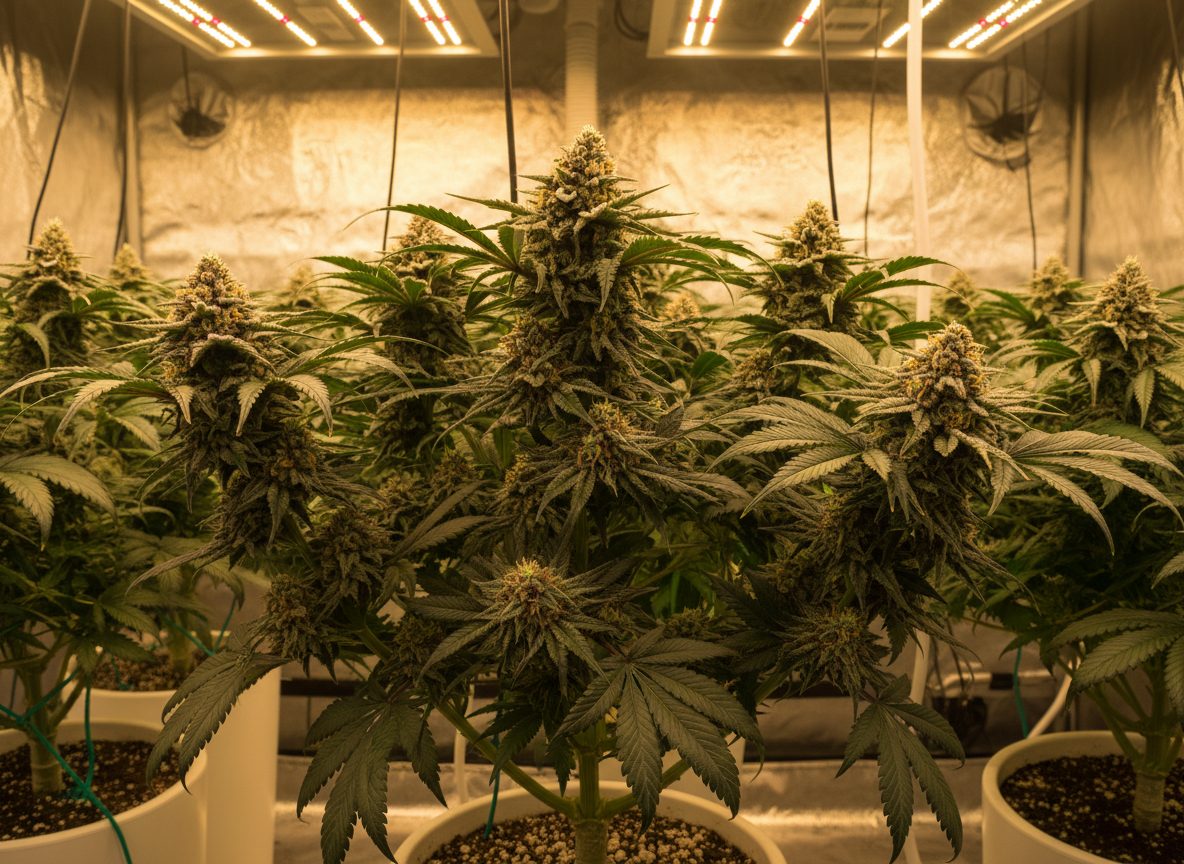
Indica is a vernacular and commercial cannabis label associated with sedating, relaxing, "body-high" effects and plants described as short, bushy, early-flowering, with broad leaflets — hence BLD ("broad-leaflet drug"; Clarke & Merlin 2013). The name derives from Latin indicus ("of India"), coined by Lamarck (1785) as Cannabis indica to distinguish intoxicating South Asian plants from European fiber hemp based on eight morphological and chemotaxonomic characters. As with Sativa, the consumer meaning has detached from the original botanical taxon: Small & Cronquist (1976) reduced indica to a subspecies (C. sativa subsp. indica), while Hillig (2005) treated it as a distinct gene pool. Modern genomic work (Sawler et al. 2015; Watts et al. 2021; Vergara et al. 2021) demonstrates that samples labeled "Indica" and "Sativa" in dispensaries do not form reciprocally monophyletic genetic clusters, and strain names are unreliable predictors of ancestry (McPartland 2018; Piomelli & Russo 2016). Afghan and Hindu Kush "wide-leaflet drug" landraces are genetically distinct from narrow-leaflet South Asian drug landraces, but this distinction is largely erased in modern polyhybrids. ⚠️ Disputed: commercial folk taxonomy vs. botanical nomenclature. → See also: Terpene Profile, THC, CBD (Chemistry), Strain (Industry/Slang).