
Fan leaf
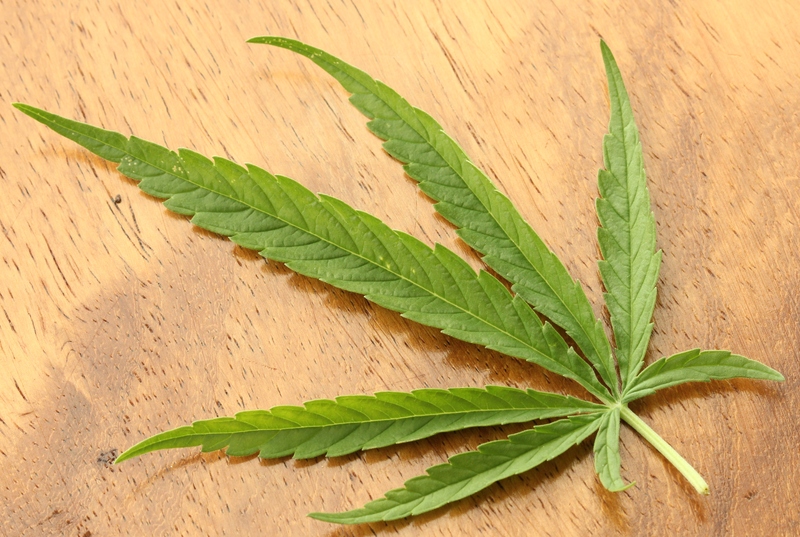
Fan leaves are the large, palmately compound photosynthetic leaves characteristic of Cannabis sativa, typically bearing 5–13 serrated lanceolate to oblanceolate leaflets radiating from a single petiole (Small 2015; Spitzer-Rimon et al. 2019). They are the plant's principal source organ for photosynthesis, supplying carbon to developing inflorescences and, via the floral tissue, to trichome sink tissue (Conneely et al. 2021). Leaflet number, shape, and serration pattern are diagnostic taxonomic characters distinguishing narrow-leaflet drug-type (NLDT, "sativa"-type) from broad-leaflet drug-type (BLDT, "indica"-type) cultivars (Small 2015; McPartland et al. 2020). Fan leaves bear few glandular trichomes and low cannabinoid content compared with perigonal bracts, but are rich in flavonoids and contribute to the overall fiber and biomass fraction of hemp. They are routinely removed during defoliation (lollipopping, schwazzing) to improve canopy light penetration. Etymology: English fan (from shape) + leaf; Latin folium. Synonyms: foliage leaf, photosynthetic leaf, palmate leaf. → See also: Sugar leaf, Vegetative, Pruning.