
Marihuana Tax Act of 1937
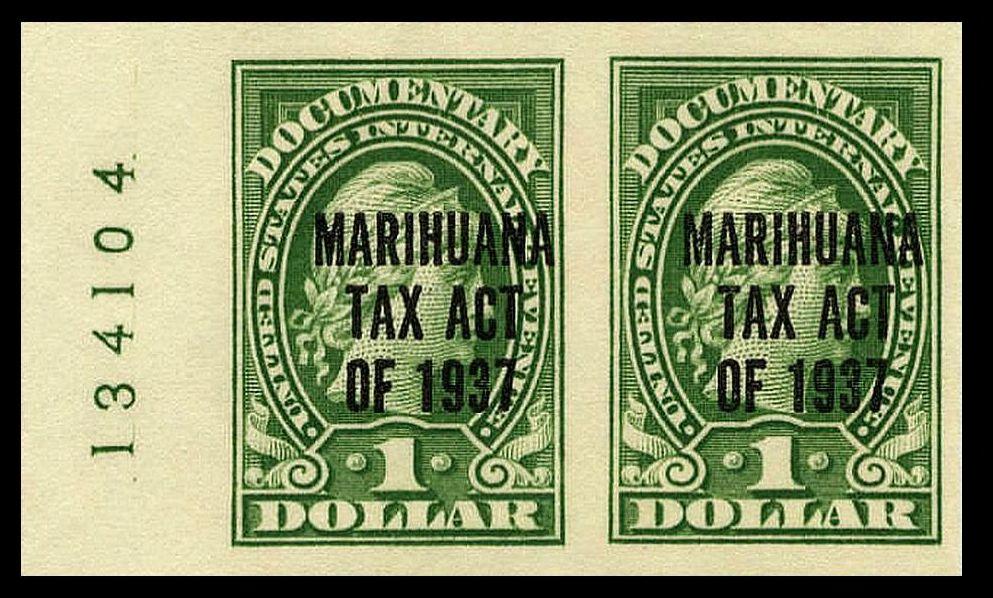
Pub. L. 75-238, 50 Stat. 551, enacted August 2, 1937 and signed by President Franklin D. Roosevelt. Drafted within the Treasury Department under Federal Bureau of Narcotics commissioner Harry J. Anslinger and introduced as H.R. 6385 by Rep. Robert L. Doughton (D-NC), the statute imposed a prohibitive occupational tax and transfer-tax-stamp regime on cannabis cultivation, sale, and prescription. Though nominally a revenue measure, it functioned as de facto criminalization: persons seeking a stamp had to produce the cannabis they possessed, exposing themselves to state prosecution. Congressional hearings (April 27 – May 4, 1937) were brief and relied heavily on Anslinger's sensational anecdotes. Dr. William Creighton Woodward, legislative counsel for the American Medical Association, was the sole substantive opponent; he testified that claims of addiction, violence, and overdose were unsupported and that the Mexican-derived term "marihuana" had concealed the bill's scope from the medical profession. His testimony was misrepresented during floor debate. The Act took effect October 1, 1937. In Leary v. United States, 395 U.S. 6 (1969), a unanimous Supreme Court struck down its registration requirements as violative of the Fifth Amendment. Congress repealed it in 1970 and replaced it with the Controlled Substances Act.