
Chocolate
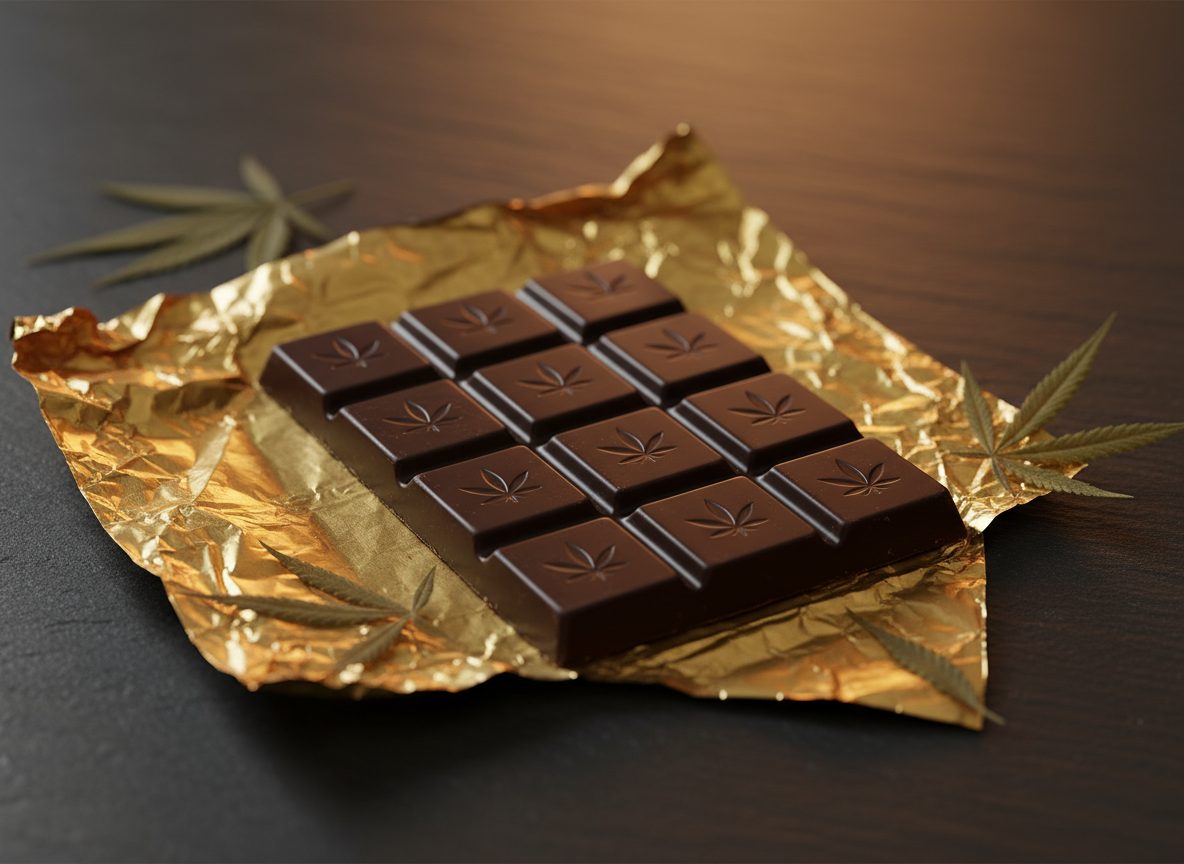
Cannabis chocolate is an infused confection — bars, truffles, or bonbons — in which cocoa butter or formulated chocolate serves as the fat-soluble carrier for cannabinoids. Because cannabinoids are highly lipophilic (log P around 6–7), they disperse readily in the fat matrix of chocolate, and the tempering temperatures used in chocolate manufacturing (roughly 88–90°F for dark chocolate) remain well below the threshold at which cannabinoids degrade. ⚠️ Chocolate is often marketed as enhancing or prolonging the cannabis high through shared endocannabinoid chemistry. A 1996 Nature paper identified anandamide and two FAAH-inhibitor compounds in cocoa, fueling claims that chocolate compounds the psychoactive effect. Subsequent analysis found the quantities involved are pharmacologically negligible — an estimated 25 pounds of chocolate would be required in one sitting to produce any cannabinoid-receptor-mediated effect in an average adult. A 2000 follow-up confirmed cocoa compounds do not cross-react with cannabinoid urine immunoassays. The chemical relationship exists but the clinical relevance is essentially zero. Most bars are scored into ten 10mg segments to satisfy state homogeneity rules requiring each piece to fall within labeled-dose tolerance. Standard oral pharmacokinetics apply: 30–120 minute onset, 4–8 hour duration. → See also: Edible, pharmacokinetics (Part 5). ---