
Female plant
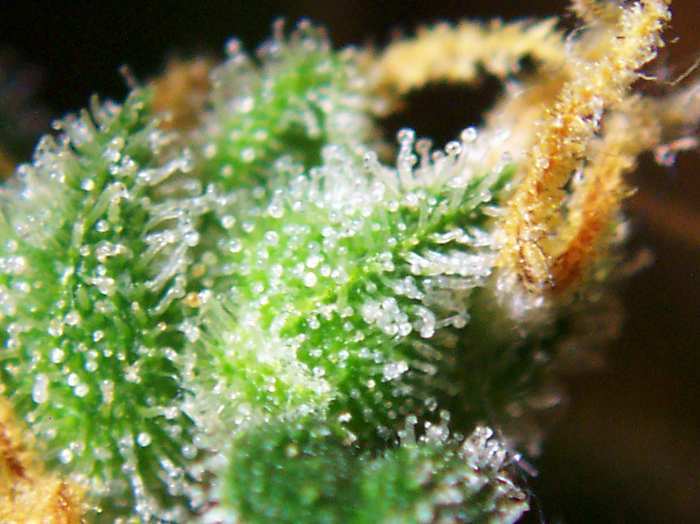
A female (pistillate) cannabis plant is a genetically XX individual that produces pistillate flowers bearing paired stigmas and, if pollinated, single-seeded achenes (Small 2015; Moliterni et al. 2004). Female inflorescences are compressed, sessile-appearing compound racemes in which each flower is subtended by a perigonal bract studded with capitate-stalked glandular trichomes — the primary site of cannabinoid and terpene biosynthesis (Livingston et al. 2020; Tanney et al. 2021; Spitzer-Rimon et al. 2019). Female plants are the target of all drug-type and most essential-oil and CBD cultivation because unpollinated ("sinsemilla") females develop vastly denser trichome coverage and higher cannabinoid concentrations than pollinated counterparts (Small 2015; Clarke 1981). In dioecious populations the sex ratio approximates 1:1; feminization technology (STS-induced male flowers on females, producing XX × XX pollen) delivers near-100% female offspring (Mohan Ram & Sett 1982; Lubell & Brand 2018). Etymology: Latin femella, diminutive of femina ("woman"). Synonyms: pistillate plant, XX plant, "lady." → See also: Male plant, Pistil, Trichome, Sinsemilla, Feminized.