
Decarboxylation
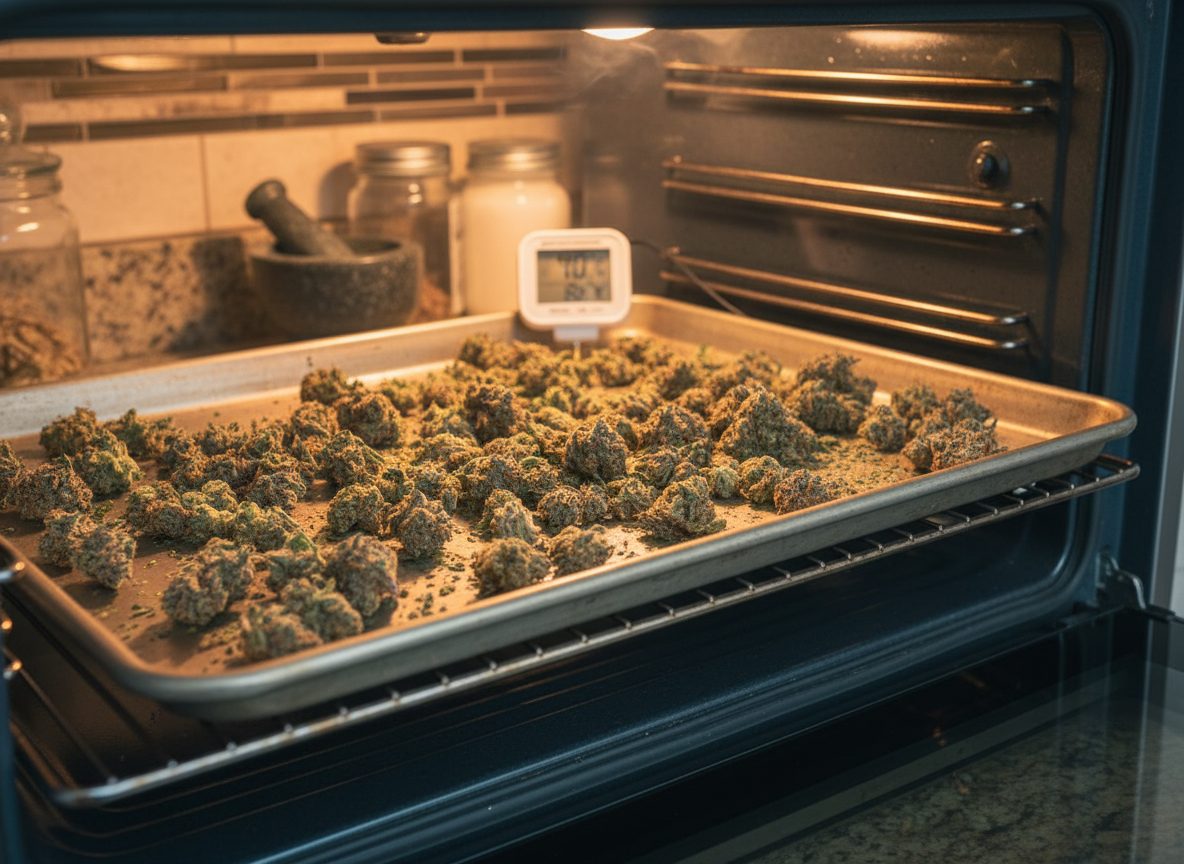
Decarboxylation is the loss of a carboxyl group as carbon dioxide. In cannabis chemistry it specifically refers to the conversion of acidic cannabinoids (THCA, CBDA, CBGA, CBCA) to their neutral, pharmacologically active forms (THC, CBD, CBG, CBC). The reaction proceeds via a six-membered transition state involving the phenolic hydroxyl and follows pseudo-first-order kinetics. Reported activation energies are ~85–100 kJ/mol for THCA (Perrotin-Brunel et al., 2011, Journal of Molecular Structure 987:67; Wang et al., 2016, Cannabis and Cannabinoid Research 1:262). Practical decarboxylation in ovens occurs over ~30–45 minutes at 105–120 °C; higher temperatures accelerate decarboxylation but promote further degradation of THC to CBN. Slow, non-enzymatic decarboxylation also occurs during ambient storage, accounting for part of the gradual potency change in aged flower. → See also: Decarb, THCA, CBDA, CBN.