
Decriminalization
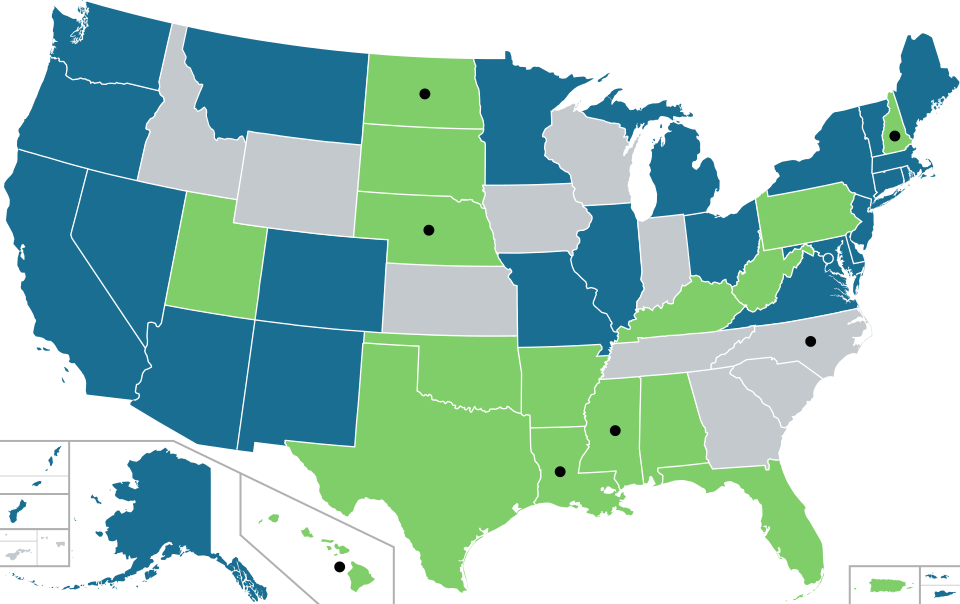
⚠️ Disputed term — meaning varies widely by state. Decriminalization generally refers to removing or reducing criminal penalties for simple possession of small amounts of cannabis, without authorizing a legal commercial market. The term is imprecise and is applied to at least four distinct regimes: (1) civil infraction with fine and no criminal record (e.g., Nebraska — $300 for ≤1 oz first offense under Neb. Rev. Stat. § 28-416(13); New Hampshire — $100 for ≤¾ oz under RSA 318-B:2-c; Mississippi — $250 for ≤30 g); (2) true non-penalty for small amounts (rare outside legalization states); (3) non-enforcement or deprioritization ordinances at the municipal level while state criminal statutes remain (numerous Georgia, Ohio, and Texas cities); and (4) reduced misdemeanor with possible jail time — which NORML and the Marijuana Policy Project do not classify as decriminalization at all (e.g., Texas, Kansas, Tennessee, Idaho). North Carolina and Louisiana are sometimes described as "partially decriminalized" because the offense remains a misdemeanor but carries no jail. Decriminalization is distinct from legalization: possession remains unlawful (civilly or criminally), commercial sales are not authorized, and the underlying conduct is still grounds for probation violations, immigration consequences, and federal firearm disqualification under 18 U.S.C. § 922(g)(3). NORML's tracker identifies 31 states plus D.C. as having adopted some form of decriminalization law, most of which have subsequently moved to full legalization. *→ See also: Legalization, Possession, Prohibition