
Seed-to-sale
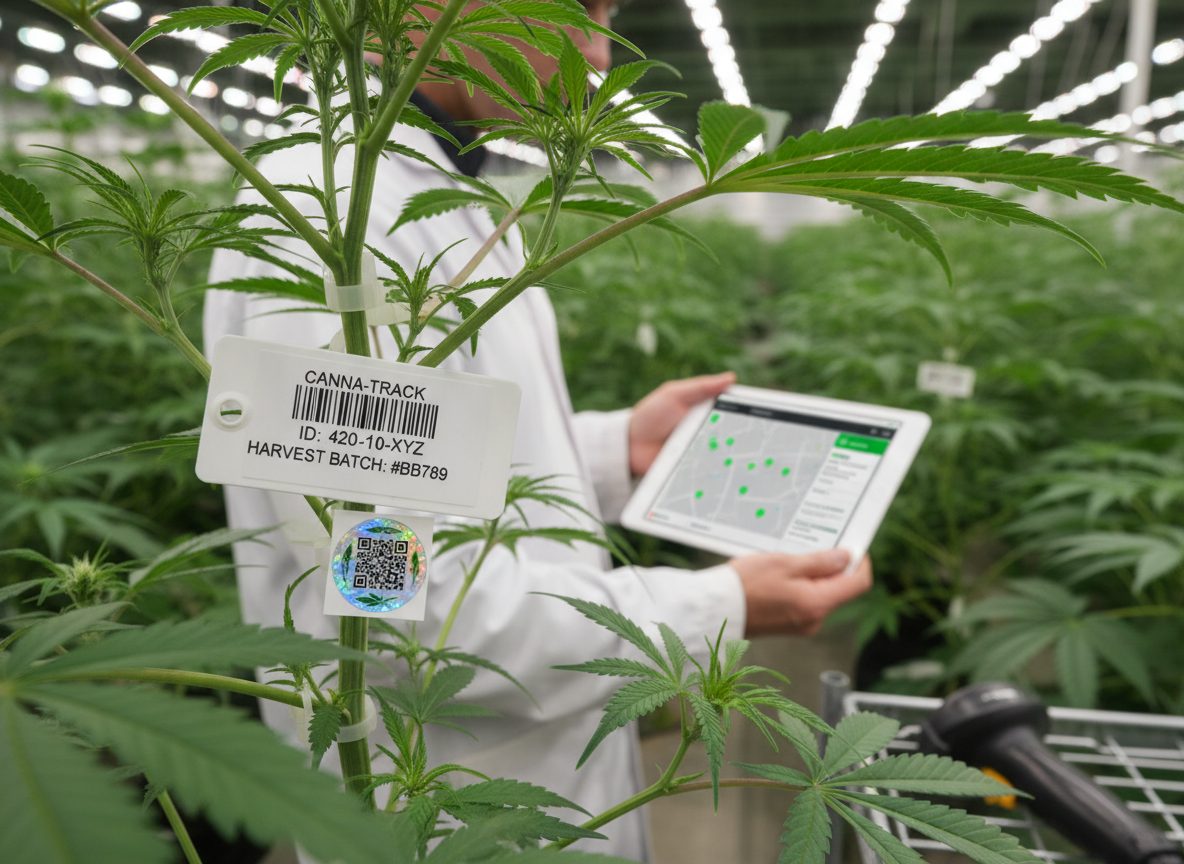
Seed-to-sale is the regulatory concept and technical framework requiring cannabis to be tracked continuously from the moment a seed is planted or a clone is taken, through vegetative growth, flowering, harvest, drying, processing, laboratory testing, transportation, wholesale distribution, and retail sale. It is the foundational compliance requirement in nearly every U.S. regulated cannabis market. The purpose is to prevent diversion to the illicit market, prevent inversion of unregulated cannabis into legal channels, enable real-time inventory visibility for regulators, support tax collection, and enable rapid recalls when contamination or mislabeling is discovered. States contract with a track-and-trace vendor — primarily METRC or BioTrack, with some historically using Leaf Data Systems or state-built platforms. Every lifecycle event (growth phase change, room movement, pesticide application, destruction, testing, packaging, transfer manifest, and POS sale) must be logged. Licensees typically integrate through APIs with third-party ERP/POS software (Flowhub, Dutchie, Canix, Treez). The closed-loop, intra-state nature was shaped by Gonzales v. Raich (2005) → See also: Legal terms (Part 6). → See also: METRC, BioTrack, Tracking, Compliance