
RSO (Rick Simpson Oil)
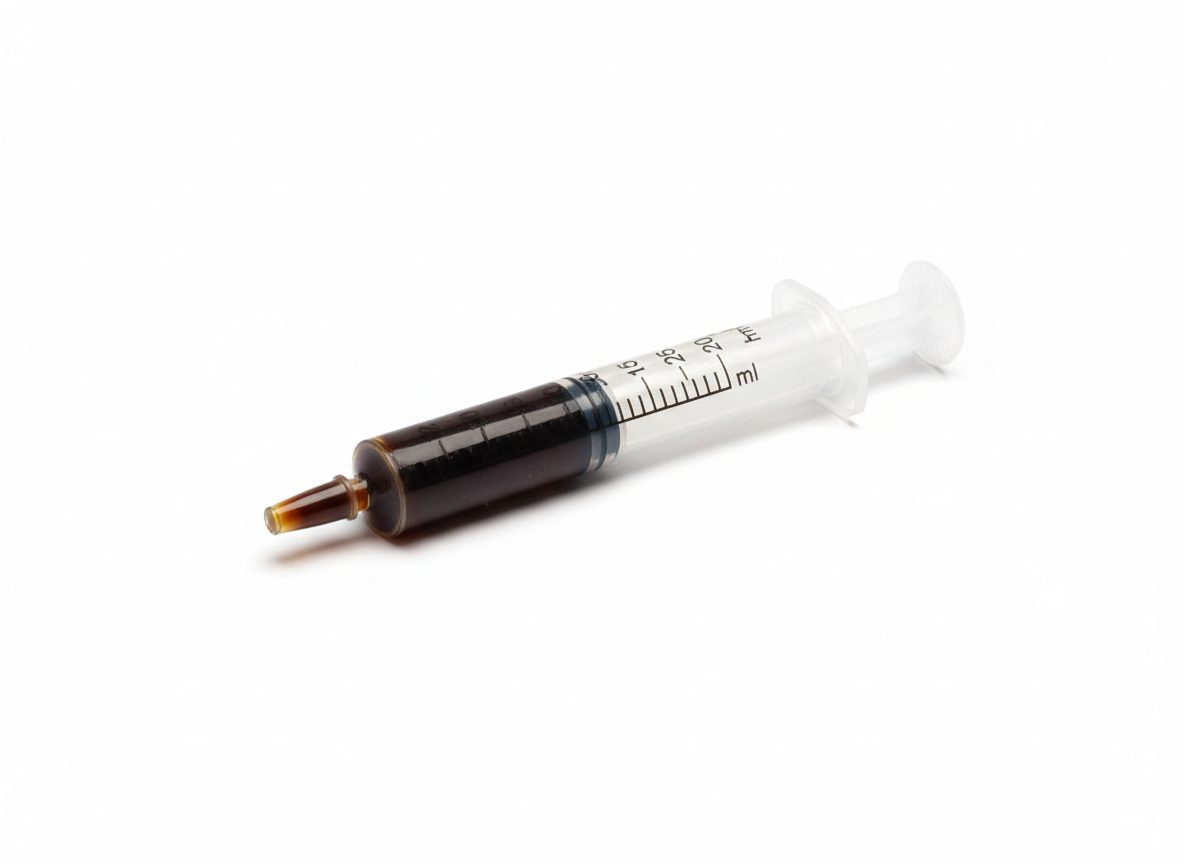
RSO (Rick Simpson Oil) is a thick, dark, tar-like, full-spectrum decarboxylated cannabis oil produced by solvent-stripping cannabinoids from high-THC indica flower and then evaporating off the solvent. The name was popularized by cannabis activist Jack Herer in reference to Rick Simpson, the Canadian activist and power engineer who publicized the protocol via phoenixtears.ca beginning in 2004. Simpson's biographical arc is central to the term's cultural weight: a 1997 head injury, self-treatment of basal cell carcinoma topically in 2003, the 2008 documentary Run From the Cure, RCMP raids culminating in 2009, relocation to Europe, a stroke in May 2018, and his claim to have treated more than 5,000 patients. The original Simpson protocol uses naphtha as the solvent, with 99% isopropyl alcohol or ethanol cited as alternatives. Dried flower is ground, covered with solvent, crushed and stirred for 3–4 minutes, filtered through coffee filters, and simmer-evaporated in a rice cooker, with terminal heating decarboxylating THCA to THC. Simpson claims approximately 60 g of oil per pound of high-quality starting flower and cites roughly 90% THC potency; dispensary-grade commercial RSO typically tests at 50–80% THC. The oil is dark brown to black, tar-like, and retains chlorophyll, plant waxes, lipids, and flavonoids, though most terpenes are lost to the terminal heat. Synonyms include Phoenix Tears, and the term is widely conflated with FECO in modern dispensary labeling. Regulated dispensary RSO must pass state residual-solvent testing, typically with a 5,000 ppm IPA limit; naphtha is not food-grade and is not permitted under any U.S. licensed-extraction standard. ⚠️ Simpson's website claims RSO can "cure or control" cancer, multiple sclerosis, pain, diabetes, arthritis, asthma, infections, depression, and sleep disorders. These claims are anecdotal and are not validated by peer-reviewed controlled clinical trials; the 2017 National Academies report on cannabis and cannabinoids supports several symptom-relief indications but does not support cancer-cure claims. → See also: FECO, Ethanol extraction, Concentrate