
Transdermal
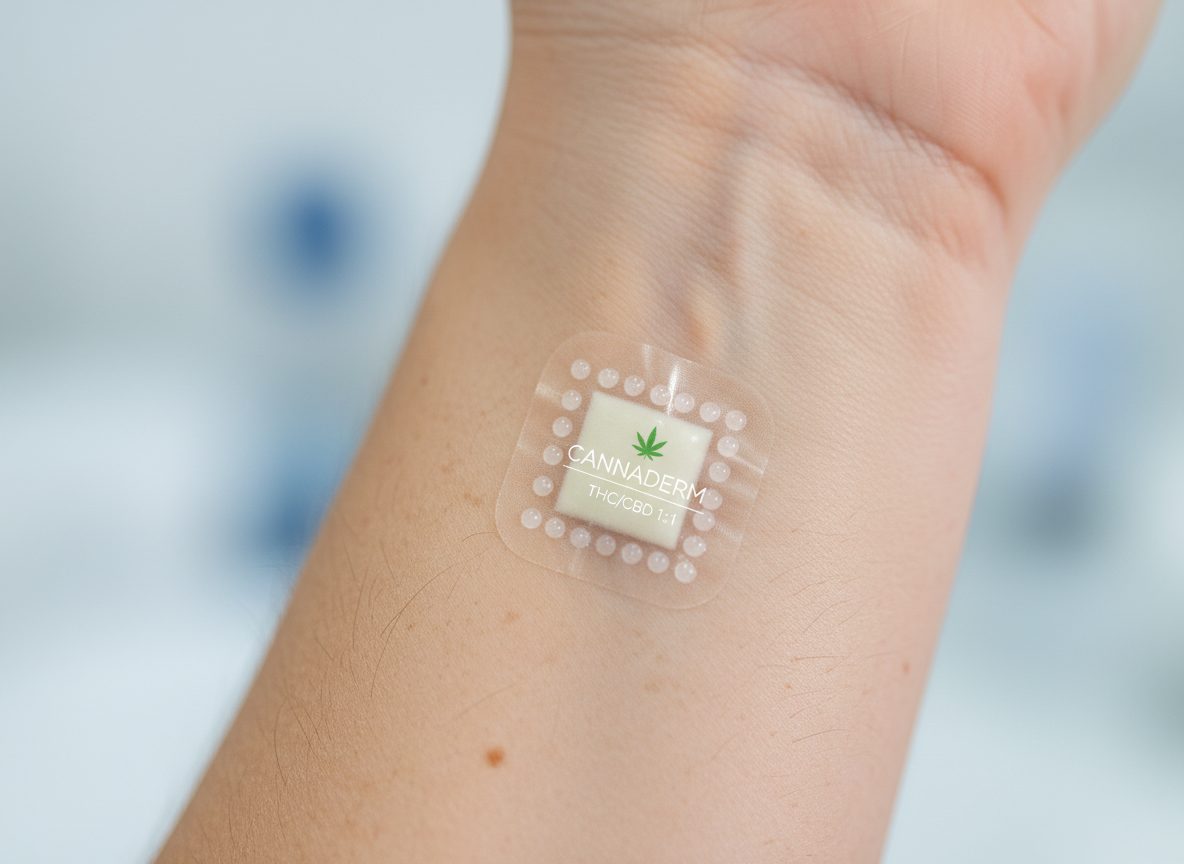
⚠️⚠️ One of the most misused terms in cannabis marketing. In strict pharmacology, transdermal delivery means sustained systemic drug absorption through intact skin into circulation, bypassing hepatic first-pass metabolism, with demonstrable plasma concentrations and controlled release kinetics. FDA-approved transdermal patches (scopolamine, nicotine, fentanyl, estradiol, clonidine) meet this standard through engineered formulations with documented bioequivalence. "Transdermal" is distinct from "topical", which refers to local-only action with no systemic delivery claim. Cannabinoids are a difficult case for transdermal delivery. Their molecular weight (around 314 Da) falls within the workable range, but their log P of 6–7 makes them too lipophilic: they readily enter the stratum corneum's lipid matrix but get trapped in a skin reservoir effect, with poor partitioning into the aqueous viable epidermis needed to reach dermal capillaries. Achieving meaningful flux requires permeation enhancers — chemical agents such as ethanol, oleic acid, propylene glycol, Transcutol, or terpenes like limonene and menthol — or physical methods such as microneedles, iontophoresis, or sonophoresis. Published flux data with optimized enhancer systems remain modest, often with less than 1% of applied cannabinoid reaching systemic circulation. Many cannabis products marketed as "transdermal" lack published human systemic-absorption data and likely function as enhanced topicals rather than true transdermal systems. Consumers and clinicians should treat the label as a marketing claim unless formulation-specific pharmacokinetic evidence is provided. → See also: Patch, Topical. ---