
Hashish
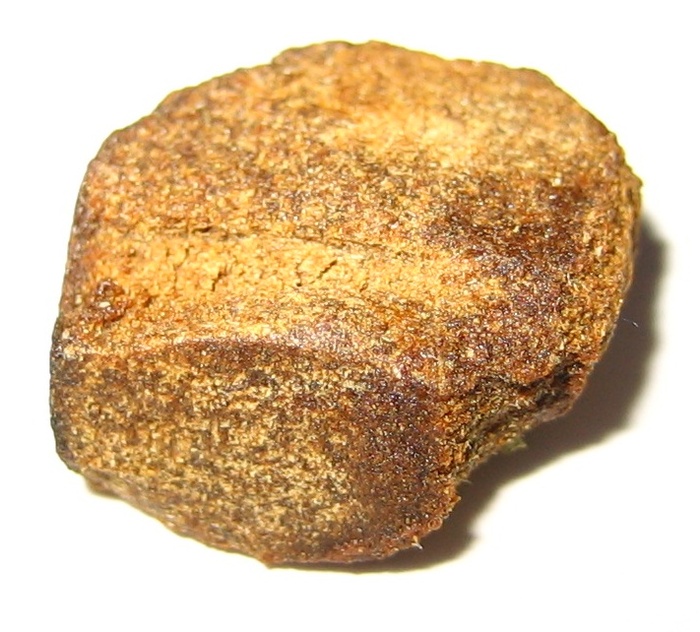
Hashish is the formal name for compressed or purified preparations of cannabis resin — specifically the stalked glandular trichomes separated from plant material. Historical production methods include hand-rubbing (charas), dry sieving, and ice water extraction. Major historical producing regions include Afghanistan, India (Parvati Valley, famed for charas), Pakistan, Iran, Lebanon, Morocco (the dominant export producer through the late 20th century), Nepal, and Egypt. Traditional grading weighs color (blonde above dark or green), aroma, malleability, and melt quality. Potencies vary widely. European law-enforcement seizures reported in 2011 tested between 3% and 15% THC, while modern artisanal hashish made from contemporary high-potency flower can exceed 50–70% THC. The late Frenchy Cannoli (1955–2021) — the French-born master hashishin who studied in Morocco, Lebanon, Afghanistan, Nepal, and India — framed hashish as analogous to wine (the cellular matrix is preserved), in contrast to solvent extracts, which he compared to spirits (distilled away from their substrate). His position was that hashish should not be classified as an "extraction" at all because the trichome cellular matrix remains intact. ⚠️ Claims of historical European adulteration of imported hashish with tar, henna, or other fillers are widely repeated but poorly documented. → See also: Hash, Bubble hash, Dry sift, Charas (traditional)