
Rosin
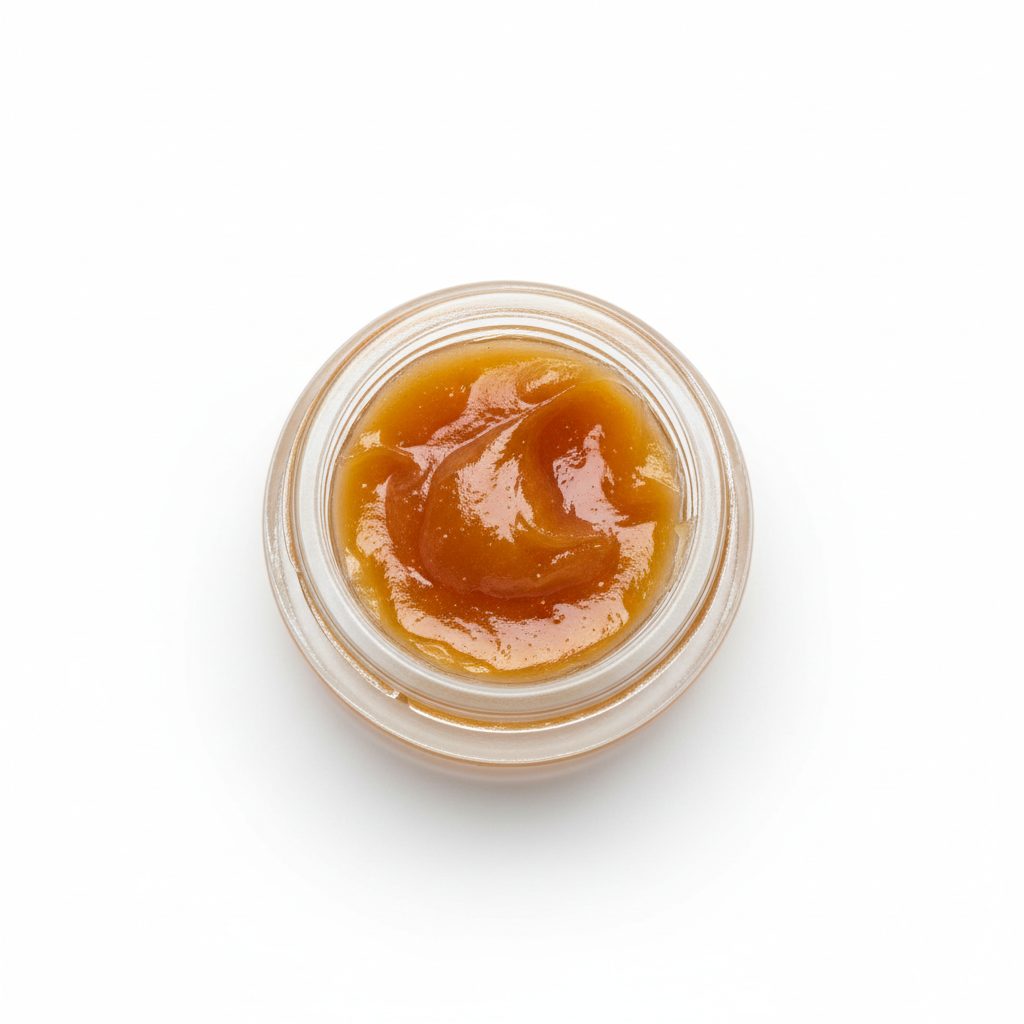
Rosin is a solventless cannabis concentrate produced by applying heat and pressure to cannabis material — flower, kief, or hash — to extrude a cannabinoid- and terpene-rich oil through a micron filter bag onto parchment. No chemical solvents are used at any stage. The name was borrowed from violin-bow rosin due to visual similarity; its cannabis application was first documented on the ICMag forum in 2006 by a user posting as "Compashon." The method was popularized in early 2015 by Phil "Soilgrown" Salazar of Pasadena, California, who discovered it while thinning bubble hash with a hair straightener, and was publicized through Marcus "Bubbleman" Richardson's Hash Church YouTube show. Pressing parameters vary by feedstock. Flower rosin runs at 180–220°F (82–104°C), 600–1,000 PSI platen pressure, 40–120 seconds, through 90–160 µm bags. Hash rosin (pressed from bubble hash or dry sift) runs cooler and slower: 140–200°F (60–93°C), 300–900 PSI, 1–5 minutes, through 25–45 µm bags. Cold press (140–180°F) preserves terpenes and produces lighter-colored product; hot press (200–220°F) maximizes yield but darkens color and degrades some monoterpenes. Optimal flower humidity for pressing is 55–62% RH. Potency runs 60–85% THC for hash rosin and 40–60% THC for flower rosin. Textures include shatter-like, badder, jam, cold cure, fresh press, and sauce. → See also: Live rosin, Rosin press, Press, Screen, Solventless