
Live rosin
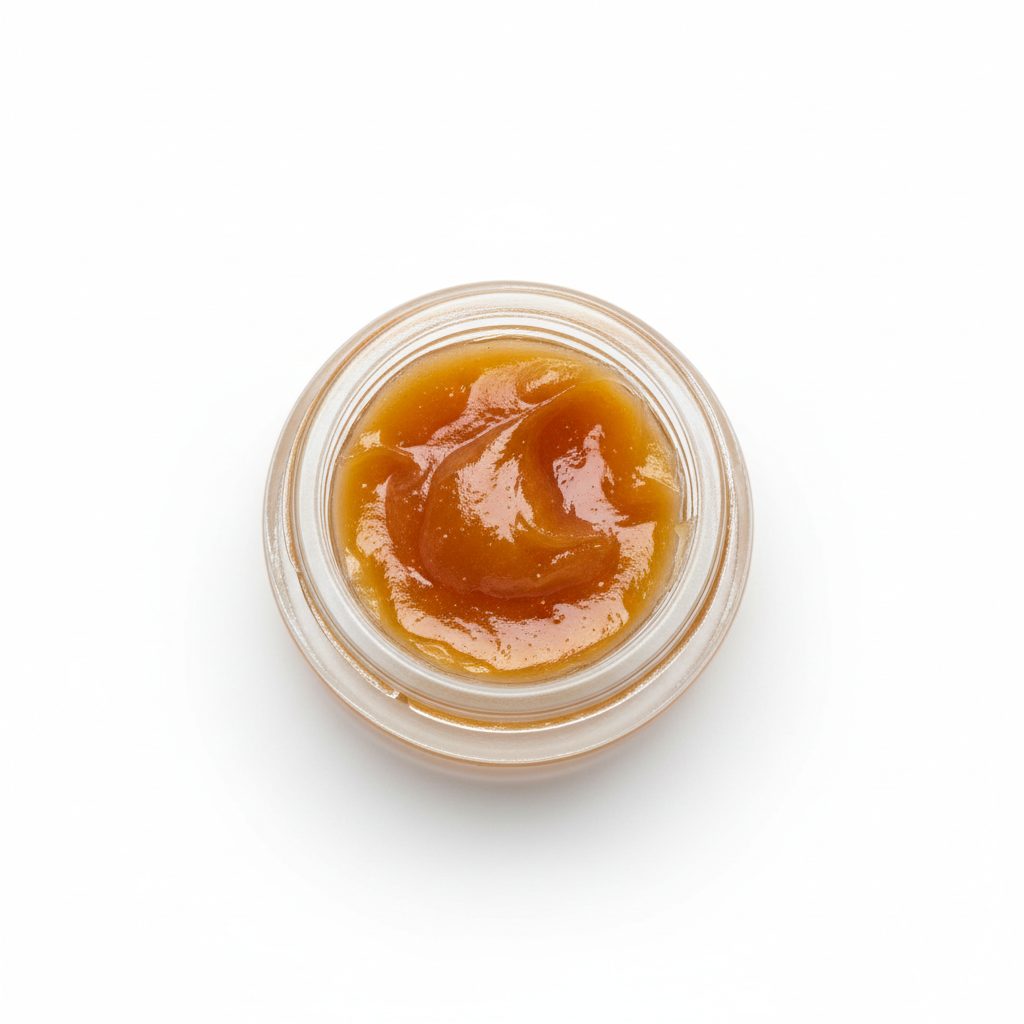
Live rosin is a solventless concentrate produced by pressing bubble hash that was itself made from fresh-frozen — not dried or cured — cannabis. The "live" designation denotes the fresh-frozen starting material, which preserves the volatile monoterpenes that would otherwise evaporate during drying. Live rosin cannot be produced by pressing fresh-frozen flower directly: residual moisture produces steam contamination and destroys the product. The required path is fresh-frozen flower → ice water hash → freeze-dry → press. Standard pressing parameters run 180–220°F (82–104°C), 1,000–1,300 PSI, and 1–3 minutes, through 25–45 µm hash rosin bags. Premium producers often cap the press at 190°F (88°C) to maximize terpene preservation at the cost of yield. The cold chain is critical: material must stay cold from harvest through final product. SC Labs' Alec Dixon has reported 60–90% terpene loss when cold-chain discipline breaks down at any stage. Yields run 2–5% of fresh-frozen starting weight all the way through to finished rosin, and 15–30% of hash weight when pressing hash to rosin. Live rosin is the solventless analog of live resin; the categorical difference is straightforward — live resin uses hydrocarbon solvents (BHO or PHO); live rosin uses no chemical solvents at all. Retail pricing in April 2026 has compressed from peak levels: mainstream jarred live rosin runs $40–$80 per gram in mature markets (California, Colorado, Michigan), with premium and cold-cure tiers still clearing $80–$120+ per gram. Per BDSA data, solventless concentrates hold roughly 18–24% of dabbable extract dollars across tracked mature markets, with rosin driving approximately 84% of that solventless share. → See also: Rosin, Bubble hash, Live resin, Solventless, Rosin press